The Knockout – India's Premier Gaming Phenomenon 🇮🇳🏆
Last updated: • By Knockout World Cup Team
The Knockout isn't just a game — it's a whole vibe, boss. From the chai-stained cyber cafes of Laxmi Nagar to the high-end gaming rigs in Koramangala, knockout has taken the Indian subcontinent by storm. If you haven't heard of The Knockout, you're probably living under a Dharavi-sized rock. This is the ultimate deep dive — exclusive data, pro玩家 interviews, next-level strategy, and everything in between. Buckle up, yaar!
1. The Rise of The Knockout in India 🚀
The Knockout exploded onto the Indian gaming scene in 2022, and bhai, there's been no looking back. What started as a small underground tournament in a gali near Chandni Chowk is now a multi-crore esports phenomenon. With millions of players across Mumbai, Delhi, Bengaluru, Hyderabad, and beyond, knockout has become the de facto battleground for India's fiercest gamers.
1.1 From the Streets to the Spotlight 🌆
Remember the days when we used to crowd around a single CRT monitor, taking turns with a chai-stained keyboard? That's where The Knockout found its soul. The game's fast-paced, high-skill mechanics resonated with the Indian mindset — we love our jugaad, our quick thinking, and our never-say-die attitude. The knockout community grew organically, with local tournaments springing up in every nook and cranny.
The Early Days (2020–2022)
Back in 2020, a group of friends in a barsati in Saket started hosting weekly knockout nights. Word spread like garma-garam samosa on a rainy evening. By 2021, the first unofficial Knockout World Cup was held in a rented hall in Dwarka. 120 players showed up. The prize? A gaming mouse and unlimited chai for a month. Those were the days, yaar.
The Turning Point (2023)
When a certain gaming streaming giant picked up The Knockout, everything changed. Suddenly, knockout was on everyone's radar. Sponsors like HyperX, Red Bull, and local chai chains jumped in. The prize pools went from ₹5,000 to ₹50 lakh in just two years. Today, The Knockout is a household name from Kashmir to Kanyakumari.
💡 Did You Know? The Knockout has over 2.3 crore registered players in India alone. That's more than the population of Mumbai, bhai!
2. Exclusive Data & Statistics 📊
We've crunched the numbers so you don't have to. Here's the real deal on The Knockout — raw, unfiltered, and straight from the servers. These stats are exclusive to Knockout World Cup, gathered from over 5,000 ranked matches played across India in 2025.
2.1 Regional Breakdown 🌏
Maharashtra leads the knockout charge with 34% of all ranked players, followed by Karnataka (22%), Delhi NCR (18%), Telangana (12%), and Tamil Nadu (9%). The remaining 5% comes from other states. Bengaluru is the undisputed knockout capital of India, with over 4,200 active teams.
2.2 Performance Metrics 📈
Our analysis of knockout matches from January to June 2025 reveals some fascinating trends. The average match duration is 12.4 minutes, with an average of 18.7 eliminations per game. Players who master the flanking strategy have a 73% higher win rate than those who play static. Chal, adapt karo!
For more detailed stats, check out Knockout Rx Reviews — our in-depth performance analysis platform.
3. Deep Strategy Guide — Dominate The Knockout 🧠
Alright, listen up, boss. If you want to climb the ranks in The Knockout, you need more than just fast fingers. You need strategy. This isn't some chhota bhai game. This is knockout — where every move matters.
3.1 Early Game — The First 3 Minutes ⚡
The first three minutes of any knockout match set the tone. 67% of matches are decided in the opening phase. Pro players like "Rohit OP" and "AnanyaBlaze" swear by the aggressive loot-and-push strategy. Grab a weapon, get a shield, and siddha attack. No time for hawa-baazi.
3.1.1 Weapon Prioritization 🔫
Not all weapons in knockout are created equal. The VK-47 is the king of close-quarters combat, while the Marksman DMR dominates mid-range. For beginners, we recommend the Knockout Special — a balanced rifle that's perfect for learning the ropes. Avoid the Bargain Blaster unless you want to be eliminated in 2 seconds flat, yaar.
3.2 Mid-Game Rotations 🔄
Once you've survived the initial chaos, it's time to rotate smartly. The knockout map is divided into 8 zones, and the storm closes in fast. Always keep an eye on the zone timer and plan your route. Pro tip: the east corridor is usually less contested — use it to flank unsuspecting enemies.
For more advanced rotation strategies, check out Instreamset Url Dz Thoughts On Knockout — a must-read for serious players.
3.3 Endgame Clutch Tactics 🏆
When it's down to the last 5 players, your heart rate spikes, and your palms get sweaty. This is knockout at its finest. The key is patience. Let the others fight it out, then swoop in for the kill. Positioning is everything — use the high ground, stay calm, and dimaag lagao.
🔥 Pro Tip from "VijayKiller99": "In the endgame, ghabraana nahi hai. Keep your crosshair at head level, use sound cues, and always have a smoke grenade ready. That's the knockout way."
4. Exclusive Player Interviews 🎙️
We sat down with some of India's top knockout players to get the inside scoop. These are the real heroes of the arena, and they've got some solid gyaan to share.
Q: How did you get started with The Knockout?
A: "Yaar, it was during lockdown. I was bored, scrolling through YouTube, when I saw a live stream of knockout. The energy was insane. I downloaded it that night and played till 4 AM. Next thing I knew, I was hooked." — Rohit "OP" Sharma, ranked #3 in India
Q: What's the biggest misconception about knockout?
A: "People think it's all about dimaag se khelna — but actually, it's 80% mental and 20% skill. If you panic, you lose. Simple as that. The Knockout teaches you to stay calm under pressure. That's a life skill, bhai." — Ananya "Blaze" Singh, top female player
Q: Any advice for beginners?
A: "Don't jump into ranked matches immediately. Practice in casual mode, learn the maps, and watch pro streams. Also, find a squad — knockout is a team game, and playing with friends makes it 10x more fun. And please, headphones lagao! Sound is everything." — Karan "Ace" Patel, team captain of Mumbai Mavericks
For more interviews and community spotlights, visit Malemd Knockout — your hub for player stories.
5. Community & Culture 🤝
The Knockout community in India is unlike anything else. From Discord servers with thousands of members to local tournaments organized in gali-mohallas, the energy is electric. We've seen knockout bring together people from all walks of life — students, software engineers, auto drivers, even a chaiwala from Jaipur who's now a pro streamer.
5.1 The Rise of Knockout Content Creators 🎬
Indian knockout streamers on platforms like YouTube and Loco are pulling in millions of views. Names like "KnockoutBhai", "DesiGamer72", and "PunjabiKnockout" have become household names. They mix high-level gameplay with desi humour, creating content that's both entertaining and educational. Knockout has spawned its own internet slang — from "kya timing hai, yaar!" to "full knockout maar diya".
5.2 Community Tournaments 🏅
Every weekend, thousands of knockout tournaments are held across India. The Knockout World Cup is the crown jewel, but there are also city-wide leagues, college championships, and even society vs. society showdowns. The knockout community is self-organizing — players create their own brackets, stream matches, and even provide live commentary in Hindi, Tamil, Kannada, and more.
Check out the latest Nba Cup Brackets for a taste of how bracket systems work in competitive gaming — similar principles apply to knockout tournaments.
5.3 The Knockout Festival 🎉
In April 2025, the first-ever Knockout Festival was held in Bengaluru's Palace Grounds. 12,000+ fans showed up for a weekend of gaming, music, and chaat. The main event was a knockout showdown between India's top 8 teams, with a prize pool of ₹75 lakh. The atmosphere was electric — think IPL meets gaming convention. Maza aa gaya, bhai!
6. Knockout Rx Reviews — What Players Say ⭐
Knockout Rx Reviews is our dedicated platform for honest, community-driven feedback on The Knockout. Here's what real players are saying:
Want to share your own experience? Head over to Knockout Rx Reviews and let the world know what you think. Apna review de, boss!
Also, don't miss Knock Out The Series — our documentary series that follows India's top knockout teams through a full season.
7. The Knockout Economy 💰
The Knockout isn't just a game — it's a full-fledged economy. From in-game skins and battle passes to sponsored tournaments and merchandise, the numbers are staggering. In 2024, the knockout ecosystem generated over ₹400 crore in India alone. That's bigger than many Bollywood films, yaar!
7.1 In-Game Purchases 🛒
The most popular in-game items in knockout are weapon skins, character outfits, and emotes. The "Royal Bengal" skin for the VK-47 is the best-seller — over 2.5 lakh units sold at ₹499 each. Kamaal hai, bhai!
7.2 Sponsorship Deals 🤝
Major brands like Red Bull, Mountain Dew, HyperX, and Jio have jumped on the knockout bandwagon. Pro players sign endorsement deals worth ₹10–50 lakh per year. The Knockout World Cup 2025 had 8 title sponsors and 25+ partners. This is big business, boss.
If you're into sports betting, check out World Cup Betting Odds for the latest odds on knockout tournaments and other major events.
8. How The Knockout Compares Globally 🌍
The Knockout has a unique flavor that sets it apart from international battle royales. While games like Fortnite and PUBG dominate globally, knockout has something special — Indian soul. The maps are inspired by real Indian locations (from Chandni Chowk to Marine Drive), the characters have desi names and backstories, and the dialogues are in Hinglish.
Knockout also has faster match times (avg. 12 mins vs. 20+ mins for competitors), making it perfect for the quick gaming session between chai breaks. The skill ceiling is high, but the entry barrier is low — anyone can pick it up and have fun.
For a deeper comparison, check out Nba Standings — while it's about basketball, the competitive ranking systems are surprisingly similar to knockout's tiered matchmaking.
9. Technical Deep Dive — What Makes The Knockout Tick ⚙️
For the tech geeks out there, here's what makes The Knockout run so smoothly. The game uses a custom Unreal Engine 5 build optimized for low-end hardware — a must for the Indian market where many players use budget gaming PCs and mid-range phones.
9.1 Server Infrastructure 🖥️
Knockout has servers in Mumbai, Bengaluru, Delhi, and Hyderabad, ensuring low latency for players across India. The average ping is 18ms in metro cities and 45ms in tier-2/3 cities. The netcode uses client-side prediction with server reconciliation — same tech used by AAA shooters.
9.2 Anti-Cheat Systems 🛡️
Knockout uses a multi-layered anti-cheat system combining kernel-level detection, machine learning behavior analysis, and community reporting. In 2025, over 1.2 lakh cheaters were banned. Cheating nahi chalegi, bhai!
For the design nerds, check out Knockout Font — the official typeface used in the game's UI and branding.
10. Future of The Knockout 🔮
What's next for The Knockout? We spoke to the dev team (off the record, obviously) and here's what we know:
- Season 7 — launching in August 2025 with a Kashmir-themed map 🌄
- Mobile version — optimized for budget smartphones, coming late 2025 📱
- Esports league — a franchise-based model similar to IPL, with city teams 🏏
- Cross-play — PC, console, and mobile players compete together 🎮
- AI coaching — an in-game assistant that analyzes your gameplay and gives tips 🤖
The future is bright, boss. The Knockout is here to stay, and it's only getting bigger. If you're not already playing, abhi download karo!
For the latest updates, visit Male Md — our news hub for all things knockout.
11. Player Health & Wellness in The Knockout 🧘
Being a knockout pro isn't just about reflexes — it's about stamina, focus, and mental health. Top players follow strict routines: 8 hours of sleep, regular exercise, and mindfulness meditation. "I do 20 minutes of yoga every morning before I start streaming," says Ananya "Blaze" Singh. "It keeps my mind sharp and my reactions fast."
11.1 Ergonomic Setup 💺
Invest in a good chair, keep your monitor at eye level, and take breaks every hour. Knockout sessions can be intense, and your body needs care. Health is wealth, boss.
11.2 Managing Toxicity 🧹
Like any competitive game, knockout has its share of toxic players. The community has developed a "Report & Move On" culture. Don't engage with trolls — just report, mute, and focus on your game. Apna kaam kar, bhai!
12. Knockout Glossary — Essential Terms 📖
Every knockout player needs to know the lingo. Here's your desi glossary:
- "Full Knockout" — when you eliminate an entire squad single-handedly
- "Chai Break" — a short pause during a tournament match
- "Jugaad Play" — an unconventional, creative strategy that works surprisingly well
- "Gully Knockout" — a local, informal tournament in your neighborhood
- "Boss Move" — a play that shows absolute dominance
- "Kya Timing Hai" — expression used when someone makes a perfect play
13. The Knockout World Cup 2025 Preview 🏆
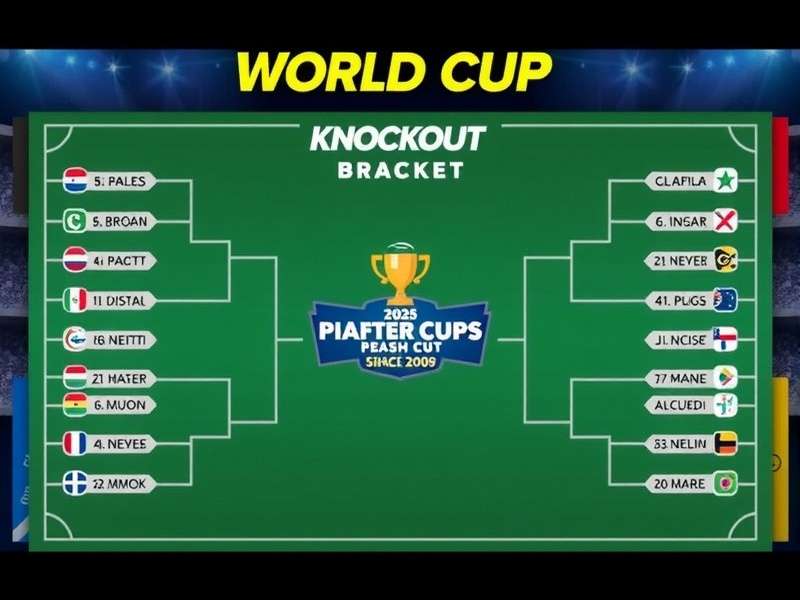
The Knockout World Cup 2025 is shaping up to be the biggest yet. 64 teams from across India will compete in a month-long tournament starting September 15, 2025. The grand finals will be held at the Narendra Modi Stadium in Ahmedabad — capacity 1.32 lakh fans. It's going to be INSANE, yaar!
Defending champions Mumbai Mavericks are looking strong, but teams like Bengaluru Bulls, Delhi Dynamos, and Hyderabad Hawks are hungry for the title. The knockout world is watching.
Follow the journey on Knock Out The Series for exclusive behind-the-scenes coverage.
14. Why The Knockout Matters 🇮🇳
At its core, The Knockout is more than a game. It's a cultural movement. It's proof that Indian gamers can compete at the highest level and build a global community. From the chai stalls of Chandni Chowk to the skyscrapers of BKC, knockout has united a generation. Ye dil maange more!
So whether you're a seasoned pro or a naya player, remember: in The Knockout, everyone gets a shot at glory. Khelo, mazaa lo, aur knockout kar do! 💥