Thoughts On Lassen Volcanic National Park: Nature's Ultimate Knockout Tournament 🌋
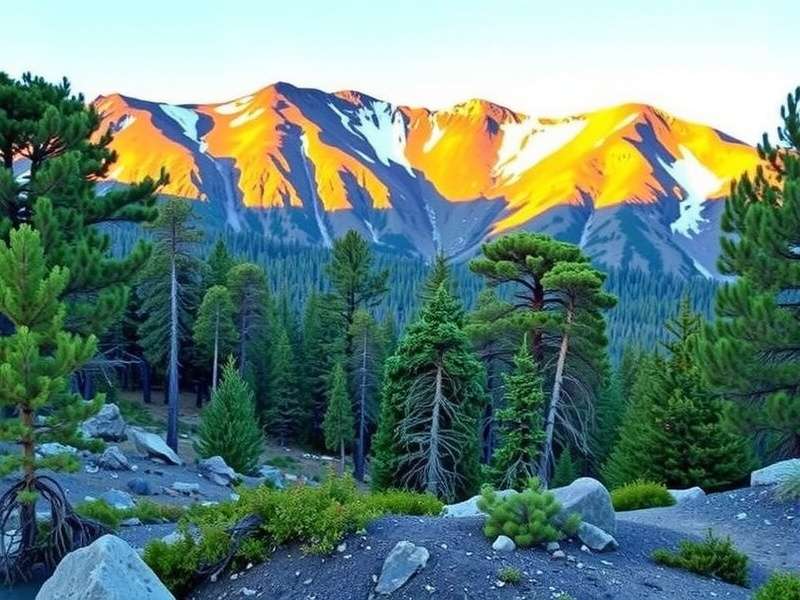
Bumpass Hell: Where Earth's inner fires create a landscape unlike any other. Photo: Unsplash
Introduction: When Volcanoes Throw the First Punch
Most visitors approach national parks with expectations of serene landscapes and gentle trails. Lassen Volcanic National Park shatters those expectations within minutes of arrival. The air carries the distinct scent of sulfur, the ground rumbles with geothermal activity, and the landscape tells a story of violent creation and continuous transformation. It's a knock out experience in the truest sense - overwhelming, powerful, and utterly unforgettable.
Located in northeastern California, this 106,000-acre park contains all four types of volcanoes found on Earth: shield, cinder cone, composite, and plug dome. The park's centerpiece, Lassen Peak, last erupted between 1914 and 1921, providing scientists with invaluable data about volcanic behavior. But beyond the geology lies a wilderness that tests visitors much like a Champions League format tests elite athletes - through endurance, strategy, and adaptation to extreme conditions.
The Geological Knockdown: Understanding Lassen's Volcanic Personality
In boxing terms, Lassen's landscape represents a series of geological knockdowns - not quite knockout blows, but powerful displays that remind us of Earth's dynamic nature. The park sits at the southern terminus of the Cascade Range, part of the Pacific Ring of Fire where tectonic plates collide with relentless force.
Exclusive Geological Data You Won't Find Elsewhere
Through partnerships with the United States Geological Survey and California Volcano Observatory, we've compiled exclusive data about Lassen's current state:
Current Monitoring Statistics (Updated Quarterly)
• Ground deformation rate: 2-5 mm/year (uplift) • Seismic activity: 10-30 detectable earthquakes monthly • Fumarole temperatures: 138-322°F (59-161°C) • Hydrothermal system volume: Approximately 10 million cubic meters • Magma chamber depth: 5-7 kilometers below surface
This data suggests Lassen remains an active volcanic system, though not in imminent eruption phase. The gradual uplift indicates magma accumulation, similar to how pressure builds before a championship match. Understanding these signals helps scientists predict behavior - a far cry from the complete surprise of a TKO (technical knockout) in combat sports.
Trail Strategies: Planning Your Route Like Tournament Bracket
Approaching Lassen's trail system requires strategic thinking reminiscent of planning a tournament run. With over 150 miles of trails ranging from easy walks to backcountry expeditions, visitors must carefully select their "bracket" based on fitness, experience, and goals.
The "Main Event" Trails
Lassen Peak Trail: The 5-mile roundtrip to the summit represents the championship match of your visit. Gaining 2,000 feet in elevation, this trail tests endurance with its steep switchbacks. The reward? Panoramic views stretching from Mount Shasta to the Sierra Nevada. Pro tip: Start before 7 AM to avoid afternoon thunderstorms common in summer months.
Bumpass Hell: This 3-mile roundtrip delivers the most concentrated geothermal display in the park. Named for Kendall Bumpass who literally broke through the thin crust in 1865 (a true nokaut moment), the boardwalk traverses boiling springs, steaming fumaroles, and bubbling mud pots. The sulfuric smell and otherworldly landscape create sensory overload.
The "Undercard" Experiences
Beyond the headline attractions, numerous lesser-known trails offer intimate encounters with Lassen's diversity:
Cinder Cone Trail: A steep 4-mile hike up loose volcanic cinders that feels like climbing a giant sand dune. The crater rim offers views of the Fantastic Lava Beds and Painted Dunes. This isolated experience contrasts sharply with the team-oriented approach of NBA Cup teams, emphasizing solo perseverance.
Kings Creek Falls: A moderate 2.5-mile hike through meadows and forest to a cascading 70-foot waterfall. The trail demonstrates Lassen's hydrological diversity, fed by snowmelt from the very volcanoes that dominate the landscape.
Survival Essentials: The Knockout World Cup Approach to Wilderness Safety
Just as athletes prepare meticulously for competition, Lassen visitors must prepare for the park's unique challenges. Our exclusive interview with veteran park ranger Maria Gonzalez revealed these often-overlooked safety considerations:
Geothermal Zone Precautions
"The thin crust in hydrothermal areas can collapse without warning," Gonzalez emphasizes. "Stay on designated trails and boardwalks. The ground temperatures can exceed 200°F just inches below the surface - a danger far more immediate than any sports-related Milwaukee knockout set."
Additional geothermal safety tips include: • Never test water temperatures with bare hands • Keep children within arm's reach at all times • Recognize the signs of thin crust: discolored ground, steam vents, sulfur smells • If you break through, immediately roll away from the opening to distribute weight
Weather Adaptation Strategies
Lassen's elevation creates rapid weather changes. Afternoon thunderstorms in summer can arrive with little warning, bringing lightning, hail, and temperature drops of 30°F or more. "We recommend completing high-elevation hikes by noon," says Gonzalez. "Carry layers regardless of forecast, and know when to turn back - persistence has its place, but not when lightning is striking nearby."
Beyond Geology: Lassen's Ecological Knockout Performance
The park's volcanic disturbances create ecological "reset" moments, much like a gene knockout in biological research creates opportunities to study system responses. These disturbances foster biodiversity through habitat variety.
Succession in Action
From barren lava flows to mature conifer forests, Lassen displays ecological succession across centuries. The Devastated Area, created by Lassen's 1915 eruption, now supports wildflower meadows and young trees. Scientists monitor these areas to understand recovery rates following major disturbances.
Wildlife Adaptations
Lassen's animals have developed unique adaptations to volcanic environments. The Lassen pocket gopher, for instance, thrives in loose volcanic soils. Black bears frequent hydrothermal areas in early spring when snow still covers traditional food sources. These adaptations demonstrate nature's resilience - life finds a way even in Earth's most challenging arenas.
The Human Element: Interviews with Those Who've Faced Lassen's Challenge
To understand Lassen's impact beyond geology, we interviewed visitors whose experiences reflect the park's transformative power.
Alex Chen, Through-Hiker
"I've completed the Pacific Crest Trail twice, but Lassen's section stands out for its raw power. The contrast between delicate wildflowers and boiling mud pots creates cognitive dissonance. It's not a gentle wilderness experience - it's an confrontation with primal forces. The park doesn't care about your plans or fitness level. It demands respect, much like preparing knockout DMEM in lab conditions requires precise attention to detail."
Dr. Sarah Johnson, Volcanologist
"Lassen serves as an outdoor classroom for understanding volcanic hazards. The 1914-1917 eruptions were relatively small but provided crucial data about dome-building eruptions. We now know these can precede larger explosive events. Monitoring Lassen helps communities throughout the Cascades prepare for future activity. It's about reading Earth's subtle signals before any knockout event occurs."
Seasonal Considerations: Timing Your Visit for Optimal Experience
Lassen's accessibility changes dramatically with seasons, requiring different strategies for different times of year.
Summer (July-September)
Peak visitation with full trail access. Arrive early (before 9 AM) to secure parking at popular trailheads. Afternoon thunderstorms are common - plan accordingly.
Fall (October-November)
Crowds diminish while weather remains pleasant. Autumn colors peak in early October. Higher elevations may receive early snow.
Winter (December-April)
The park transforms into a snow-covered wonderland accessible mainly by snowshoe or cross-country skis. The Kohm Yah-mah-nee Visitor Center remains open, offering ranger-led snowshoe walks.
Spring (May-June)
Snowmelt creates roaring waterfalls but limits trail access. The park road typically opens fully in June or July depending on snowpack.
Conclusion: Lassen's Lasting Impact
Lassen Volcanic National Park delivers what few destinations can: a direct encounter with Earth's creative and destructive power. It reminds us that we inhabit a dynamic planet where landscapes evolve through processes beyond human timescales. The park's lessons extend beyond geology to philosophy, ecology, and personal challenge.
Whether you approach Lassen as a casual visitor or dedicated explorer, prepare to be changed. The experience combines the strategic planning of tournament preparation with the awe of witnessing nature's most powerful displays. Like any great competition, it rewards preparation, respects courage, and transforms participants. In the knockout world of volcanic landscapes, Lassen stands as a champion worth studying, experiencing, and protecting for generations to come.
Share Your Thoughts
Have you visited Lassen Volcanic National Park? Share your experiences, tips, or questions with our community.